
The Suzuki Method
A philosophy of nurtured talent — the belief that every child can learn beautifully, the same joyful way they learn their mother tongue.
A violinist who believed talent is grown, not given
Shinichi Suzuki (1898–1998) was a Japanese violinist and educator who developed the Suzuki Method, a revolutionary approach to teaching and learning music. He believed that musical ability is not an inborn talent but something that can be developed in any child — much like the way every child learns to speak their native language. That single idea became the foundation of his entire method.
The mother-tongue approach
Dr. Suzuki developed his method by applying the principles of language learning to music education. Just as children naturally absorb their native language through early exposure, listening, repetition, and encouragement, he reasoned that they could learn music the very same way.
Beginning in post-WWII Japan, Suzuki taught children with this "mother-tongue approach," focusing not only on musical ability but on character development. The results were remarkable, and the method gradually spread around the world — transforming early childhood music education for good.
Ten books, one step at a time
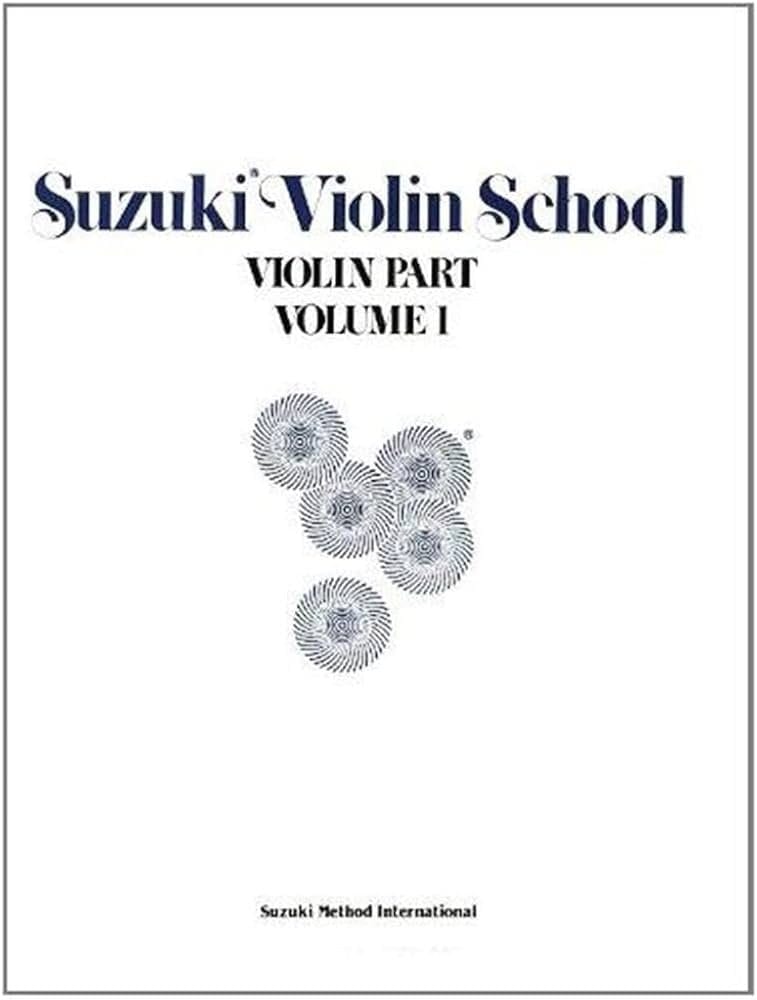
The method is built around a series of ten books arranged by Dr. Suzuki. The journey begins with simple, familiar pieces — like Twinkle, Twinkle, Little Star and Long, Long Ago — and gradually builds toward full concertos.
Every piece is chosen with purpose: each one introduces a new technique just as the last is mastered, creating a structured, enriching path where students are always ready for what comes next.
Key features of the Suzuki Method
{{ f.body }}
Ready to begin? Choose a weekly lesson length and book your child's first trial.
View lesson options →